
Table of Contents
- Background: A Tour-Long Ban
- The Announcement at The Players
- Rules of the Experiment
- Early Results and Player Reaction
- What Comes Next
- Sources
Background: A Tour-Long Ban
For decades, PGA Tour players were prohibited from using rangefinders during competition rounds. Under the Rules of Golf, distance-measuring devices are permitted by default — but the PGA Tour enforced a Model Local Rule banning them. Players and caddies instead paced off yardages from on-course markers and consulted hand-drawn yardage books, a time-consuming ritual that critics blamed for ballooning round times.
The LPGA Tour and PGA of America had already moved on. The LPGA allows rangefinders at the majority of its events. The PGA Championship — run by the PGA of America, not the PGA Tour — has permitted them since 2021. The PGA Tour stood as an outlier among major professional circuits.
The Announcement at The Players
That changed in March 2025. Speaking to media at TPC Sawgrass ahead of The Players Championship, PGA Tour Commissioner Jay Monahan announced a six-tournament trial allowing players and caddies to use rangefinders during competition. The experiment was framed explicitly as a pace-of-play initiative, driven by a player-formed Speed of Play Working Group that included Sam Burns, Adam Schenk, and Jhonattan Vegas, and backed by fan survey data from the Tour's Fan Forward initiative.
The six events selected for the trial, running from mid-April to mid-May 2025, were:
- RBC Heritage
- Corales Puntacana Championship
- Zurich Classic of New Orleans
- CJ Cup Byron Nelson
- Truist Championship
- ONEflight Myrtle Beach Classic
Monahan said the Tour had heard from fans who use rangefinders themselves every weekend and questioned why Tour pros were denied the same tool. "It's a little bit harder to find the solution, just given the depth and breadth of everything that goes into pace of play," he said, "but we're looking forward to finding solutions on that front."
Rules of the Experiment
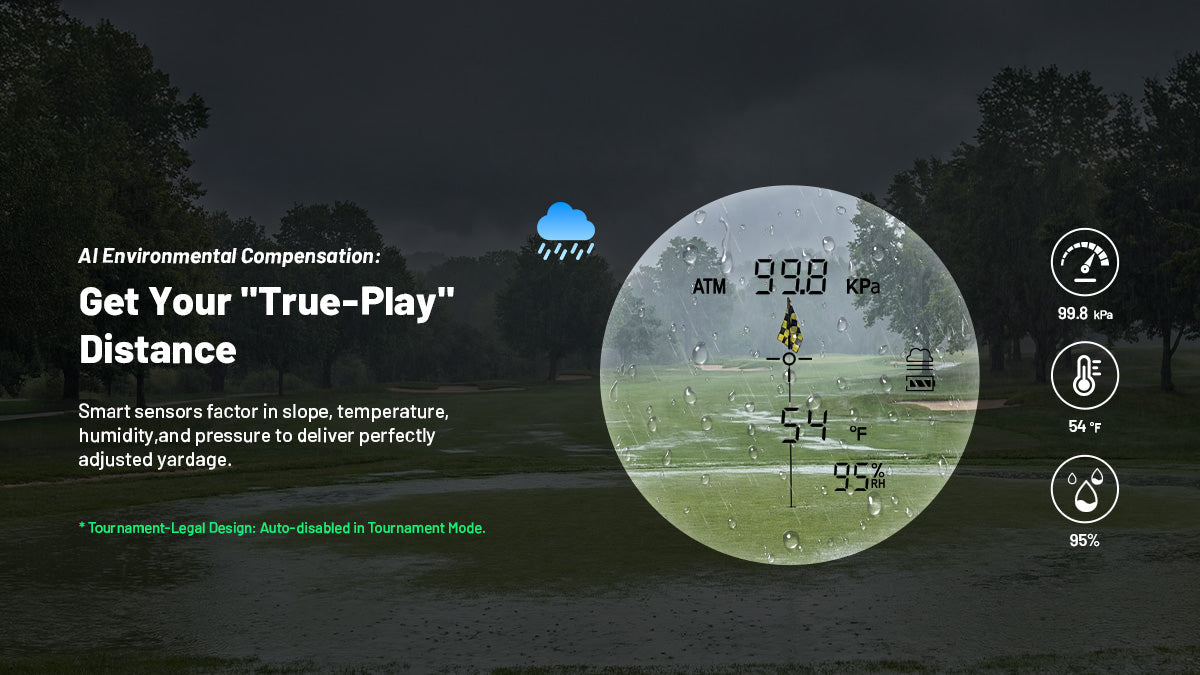
The trial came with strict device restrictions. Players electing to use a rangefinder were required to disable all features beyond raw distance measurement — course mapping, club selection advice, slope calculation, and wind readings were all prohibited. The penalty for a first violation was two strokes; a second violation resulted in disqualification.
The PGA Tour noted it had tracked average shot time for many years — a figure that has hovered around 38 seconds — and stressed that yardage-finding is only one variable in overall round length. Field size, course flow, cut size, and weather were cited as equally significant factors.
Early Results and Player Reaction
The trial launched at the RBC Heritage in April 2025 and immediate player feedback was positive. PGA Tour winner Brian Campbell, competing at Harbour Town Golf Links, said he felt the pace increase was dramatic. "I feel like we're running out there," Campbell told reporters. "They're getting what they want, we're playing really fast."
Not everyone was convinced. World No. 1 Scottie Scheffler — the reigning RBC Heritage champion — told media the pace-of-play debate was "funny" and expressed skepticism that rangefinders alone would move the needle significantly.
The trial also ran concurrently on the Korn Ferry Tour at three consecutive events, with data collected across both circuits to measure overall impact on shot times and round durations.
What Comes Next
After the four-week window closed, the PGA Tour and the Speed of Play Working Group planned to analyze the shot-time data and player feedback. Full-time implementation across all PGA Tour events was described as possible if results were positive. A broader policy overhaul — including mandatory one-stroke penalties for a first timing violation and the public release of individual pace-of-play statistics for all Tour pros — was also under review.
The Tour also announced field size reductions beginning in 2026 as a structural step toward faster rounds, acknowledging that no single change would solve the problem alone.
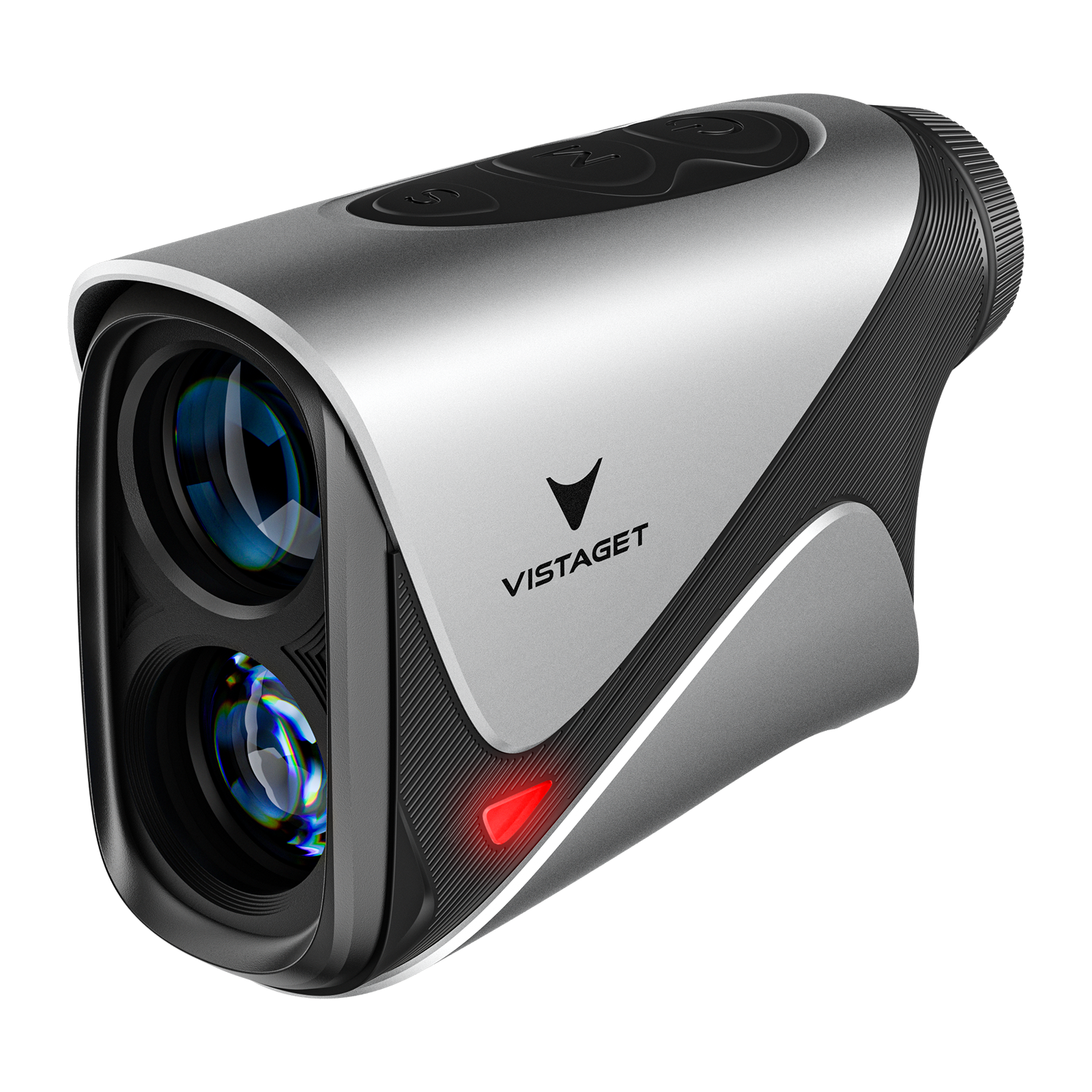
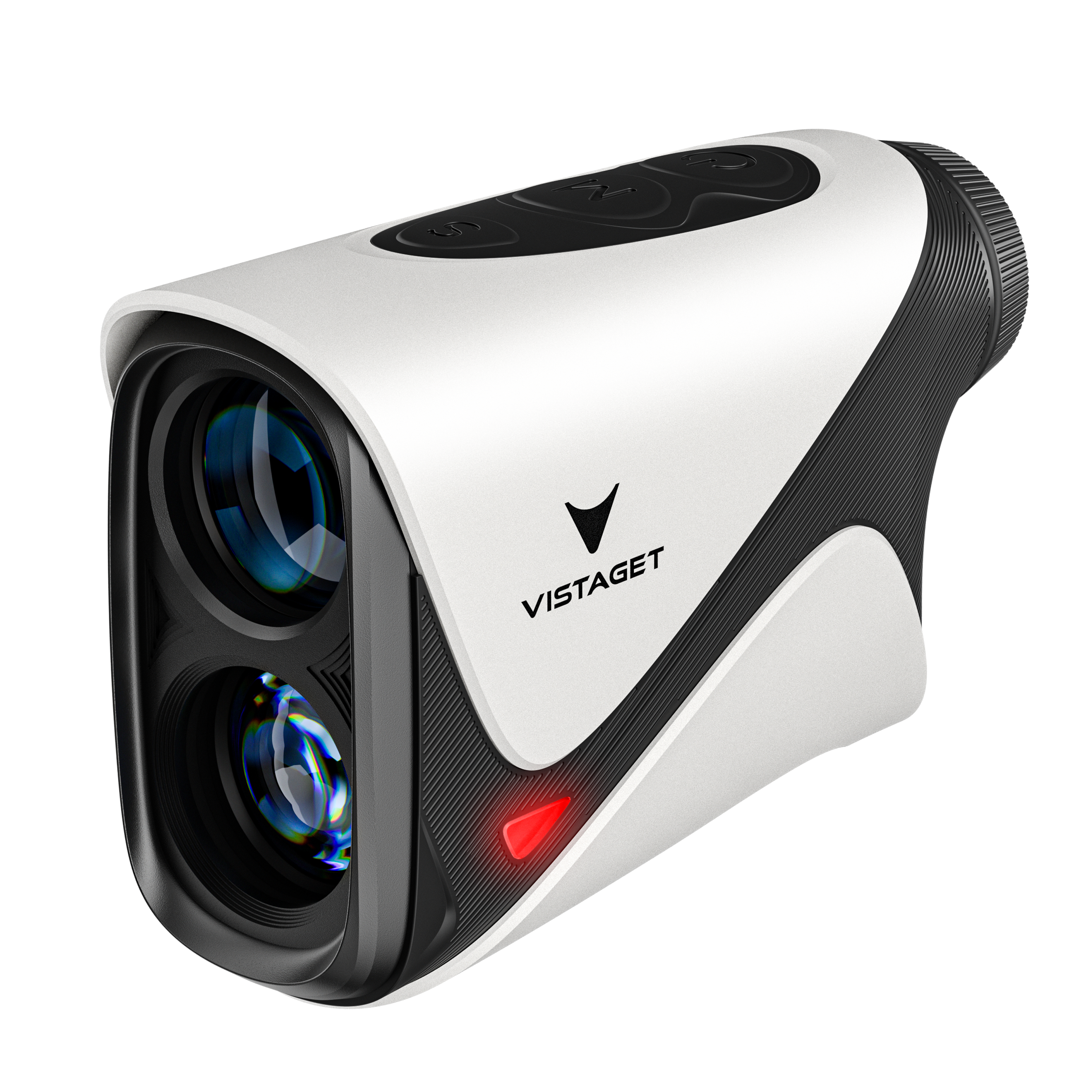
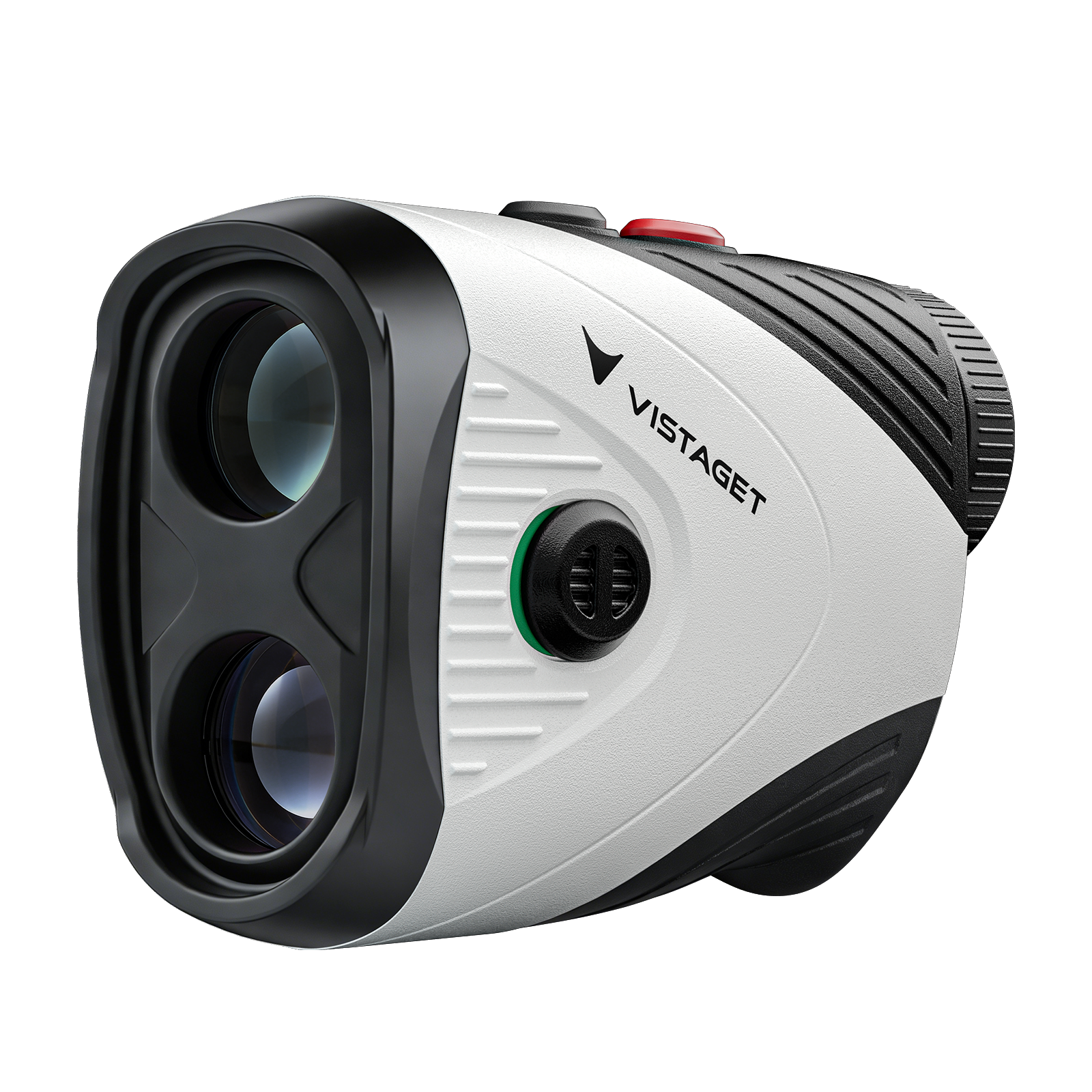
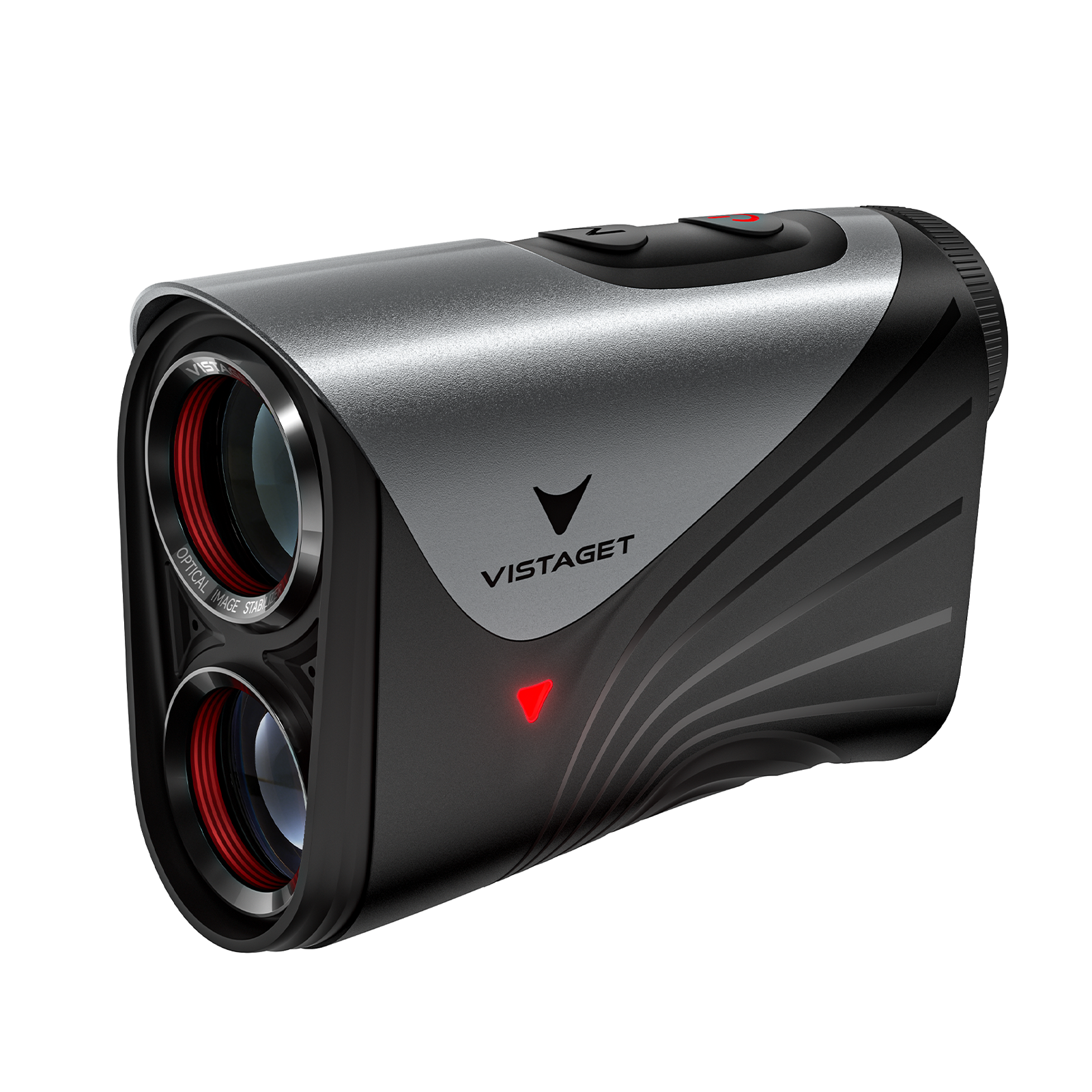
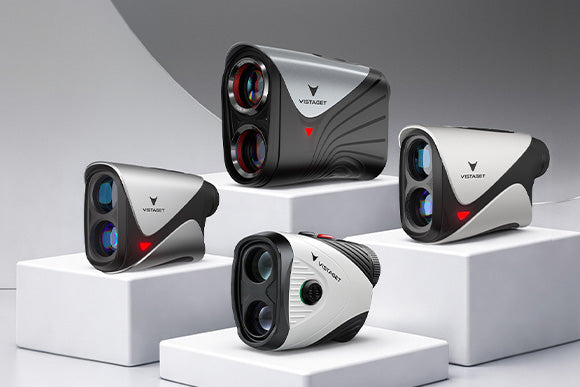
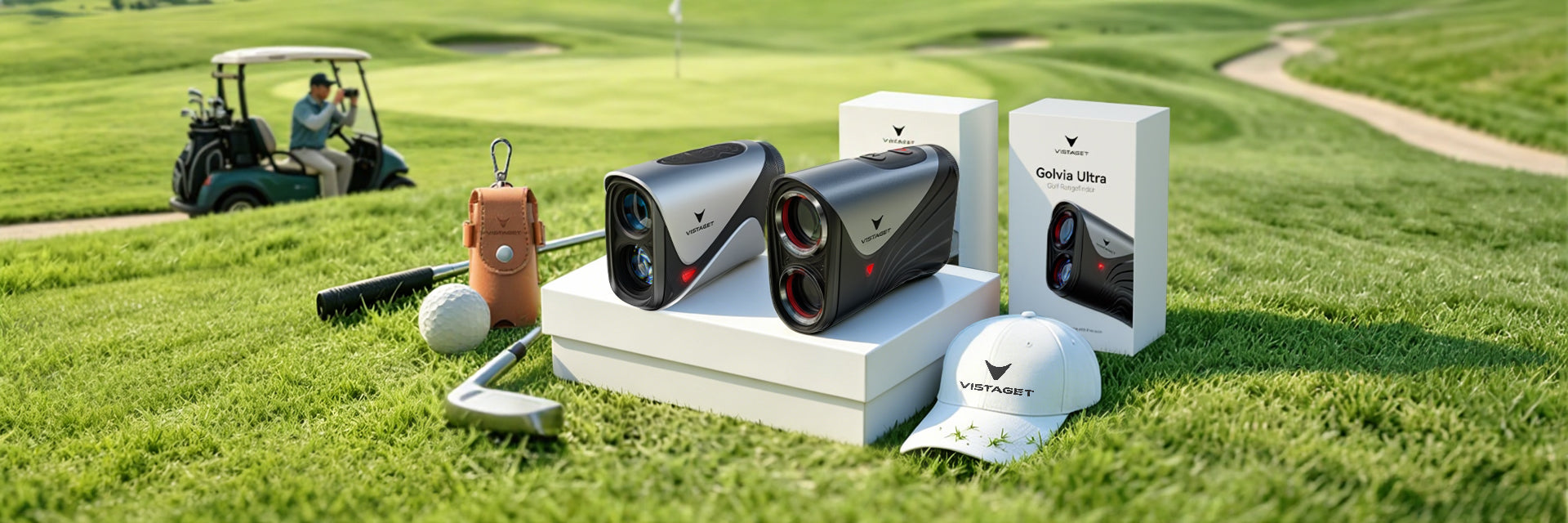
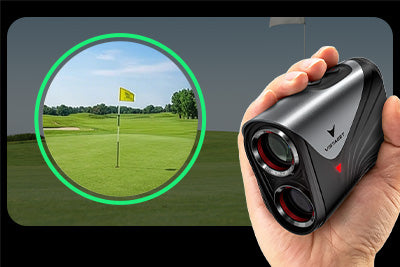
For recreational golfers, the Tour's embrace of rangefinders reinforces a tool that millions already rely on every round. Devices that deliver instant, accurate yardages — like those available at www.vistaget.com — are central to the same speed and confidence the Tour is now chasing at the highest level of the game.
Sources
- Golf Digest — PGA Tour approves experimental use of rangefinders in six spring tournaments (March 11, 2025)
- PGA Tour — Tour considers distance-measuring device initiative (January 30, 2025)
- PGA Tour — Speed of Play Working Group recommendations, RBC Heritage (April 15, 2025)
- Golf Digest — PGA Tour to begin testing rangefinders this week (April 15, 2025)
- Golf Magic — Brian Campbell: "I feel like we're running out here" (April 23, 2025)
- Sportskeeda — PGA Tour announces new temporary rule regarding rangefinders
- CBS Sports — PGA Tour's four solutions to curb slow play